

A youthful face is shaped by balance, volume, and vitality soft contours in the cheeks, smooth transitions around the eyes and jawline, and skin that reflects light with a healthy glow. As we age, fat volume diminishes and the face begins to look hollow, tired, and less defined.
Dr. Janak Parikh’s facial fat grafting restores these foundational elements by using your body’s own fat to rebuild youthful volume and rejuvenate the skin from the inside out. His technique is refined, layered, and structural enhancing definition, not adding bulk.
Facial fat grafting doesn’t just restore fullness it regenerates. Along with fat cells, the grafted tissue contains adipose-derived stem cells, which have been shown to improve:
- Skin texture and tone
- Elasticity and firmness
- Hydration and overall skin quality
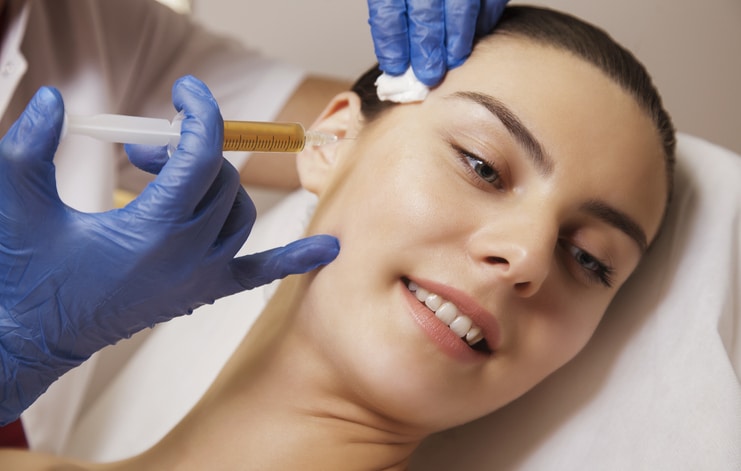
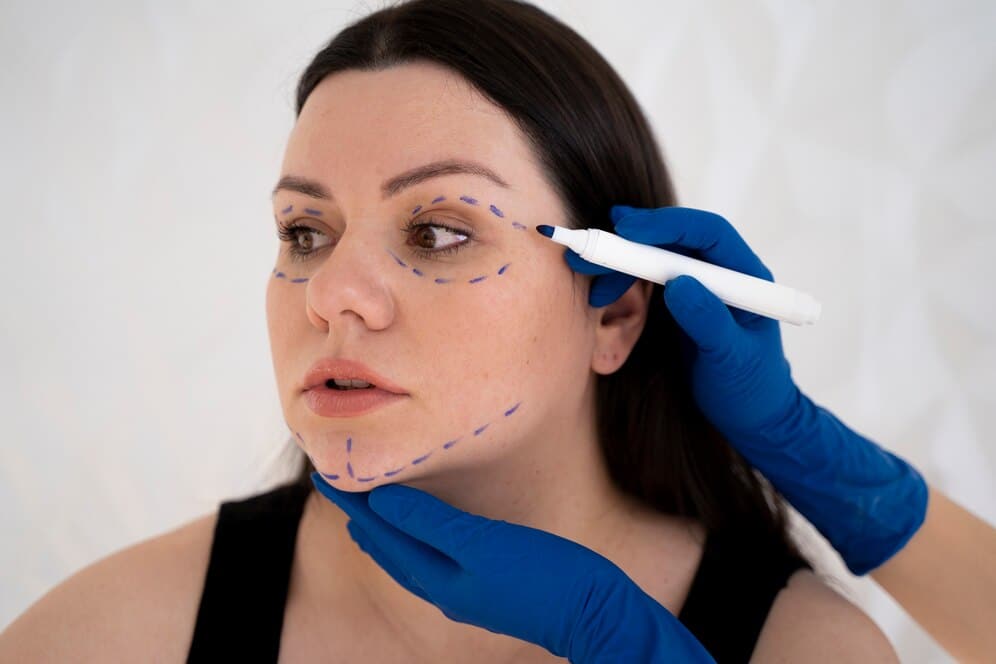
This regenerative benefit means that patients often see not only volume restoration, but also a visible improvement in skin health and radiance a glow that fillers simply can’t replicate.
- Natural volume using your own tissue
- Long-lasting enhancement without the cycle of filler maintenance
- Improved skin quality thanks to regenerative stem cell activity
- Beautifully complements facelift, blepharoplasty, and brow lift procedures
Many patients who have relied on fillers for years begin to notice:
- Puffiness or an unnatural appearance
- Hollowing or deflation as filler dissolves unevenly
- A lack of structure or facial harmony over time
Fat grafting offers a permanent, stable, natural, and restorative solution. It integrates seamlessly into your facial anatomy, providing not just volume — but renewal.
With Dr. Parikh’s precision and artistic eye, facial fat grafting becomes more than anti-aging. It becomes the reawakening of youthful structure, skin quality, and natural beauty from the inside out.
Frequently Asked Questions About Facial Fat Grafting
Facial fat grafting takes fat from one part of your body, typically the abdomen or inner thighs, and transfers it to areas of the face that have lost volume with age. It restores fullness to the cheeks, temples, under-eyes, jawline, and lips, areas that aging deflates rather than just sags.
Filler is temporary, synthetic, and added in office in minutes. Fat is your own tissue, permanent in the portion that survives, and requires a brief surgical procedure under sedation or local anesthesia. Fat grafting produces softer, more natural-looking volume than filler and is the better option for patients who want lasting results. Dr. Parikh will help you decide which approach fits your goals and timeline.
Typically, 50% to 70% of the transferred fat survives long-term, and the rest is reabsorbed by the body in the first few months. Dr. Parikh accounts for this expected loss by slightly overcorrecting at the time of surgery, so the final result is what you and he planned for.
Yes, expect noticeable swelling for the first two weeks, with most resolving by the one-month mark. The final, refined result settles in over three to six months as your body adjusts and reabsorbs the non-surviving fat.
Yes, and it commonly is. Dr. Parikh routinely combines fat grafting with facelift, neck lift, and blepharoplasty because lifting alone cannot restore volume, and volume alone cannot lift. Combining the two produces a more complete, natural rejuvenation than either alone.
Pricing reflects the number of areas treated and whether fat grafting is performed alone or with other procedures. Dr. Parikh’s team will provide a quote at your consultation, with financing available.
Schedule a consultation with Dr. Parikh to learn whether fat grafting, filler, or a combination is the right path for restoring your facial volume.