Learn what to expect at your first plastic surgery consultation in Houston. Get expert tips on preparation, questions to ask, and how to plan your next steps.

In today’s fast-paced world, many patients want to enhance their appearance without undergoing surgery. Thanks to rapid advancements in aesthetic medicine, non-surgical services now offer impressive, natural-looking results with minimal downtime and fewer risks.
At J. Parikh MD Plastic Surgery in Houston, we provide a wide range of non-invasive and minimally invasive treatments that deliver noticeable improvements to the face, body, and skin. Whether you’re looking to smooth wrinkles, tighten skin, or contour your body, this guide will help you explore your options.
The Evolution of Breast Augmentation: Modern Techniques & Recovery Tips
Breast augmentation has come a long way since its early beginnings. Once considered a one-size-fits-all procedure, it is now one of the most personalized and advanced forms of cosmetic surgery. From new-generation implants to scar-minimizing techniques and natural fat transfer options, today’s breast augmentation procedures offer greater safety, aesthetics, and customization than ever before.
In this guide, we’ll explore the evolution of breast augmentation, the modern techniques available, and recovery tips to help you make an informed decision.
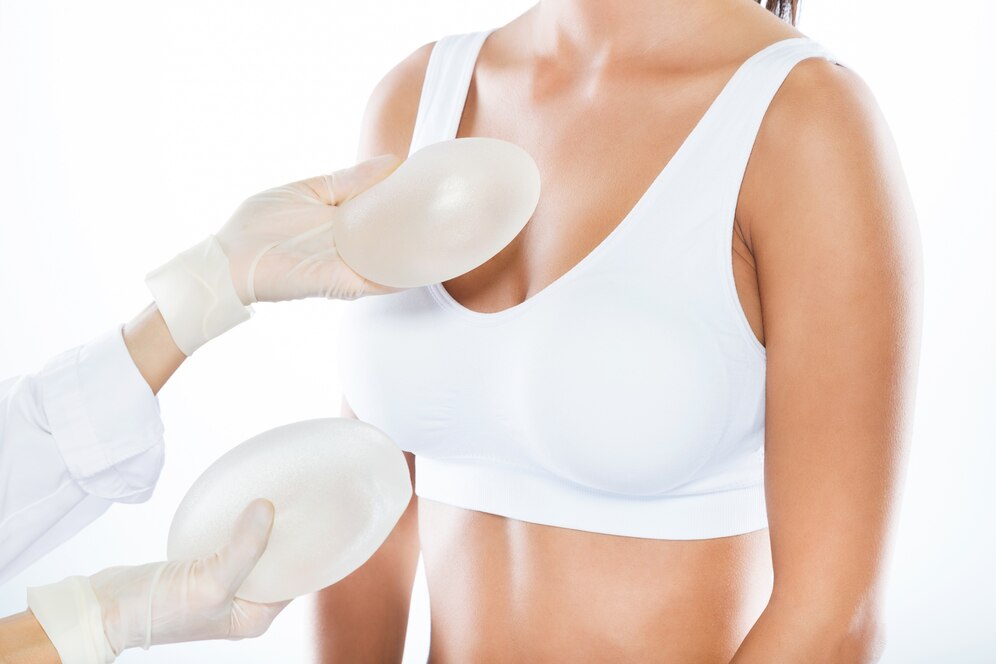
A Brief History of Breast Augmentation Surgery
The first recorded breast augmentation surgery dates back to the late 1800s, but it wasn’t until the 1960s that silicone implants were introduced. The silicone breast implant first was developed and implanted right here in Houston, TX! Early procedures often resulted in unnatural shapes, scarring, and complications due to the limited surgical techniques and materials available.
Fast forward to today breast augmentation has evolved into a precise, customizable, and safe procedure, performed by board-certified plastic surgeons using FDA-approved implants and cutting-edge tools.
Modern Breast Implant Options: Silicone, Saline & Cohesive Gel ("Gummy Bear")
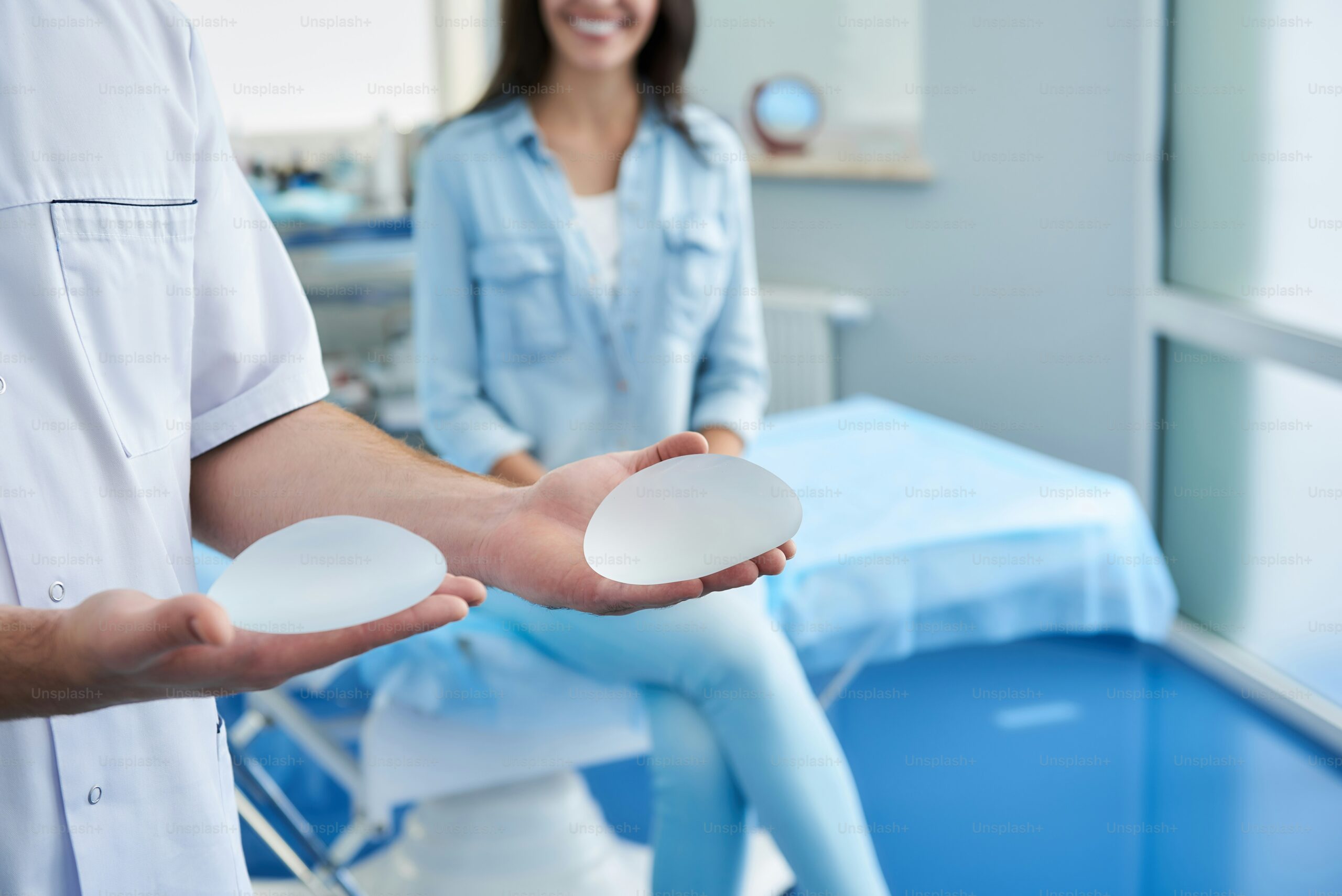
Today’s breast implants offer advanced materials and customizable options to help patients achieve the look and feel they desire. Understanding the differences can empower you to make an informed decision during your consultation.
Silicone Implants
Silicone implants are filled with a cohesive silicone gel that mimics the softness and movement of natural breast tissue. They’re especially popular among patients with minimal natural breast volume, as they provide a smooth, natural-looking result.
Saline Implants
Saline implants are filled with sterile saltwater after placement, which allows for small adjustments in volume and symmetry. They tend to feel slightly firmer than silicone and can deflate more noticeably if the shell is compromised.
Cohesive Gel Implants (“Gummy Bear”)
Often referred to as “gummy bear implants,” cohesive gel implants are filled with a thicker, form-stable silicone gel. They’re designed to hold their shape even if the outer shell is damaged. While some gummy bear implants are teardrop-shaped, the term refers to the gel consistency, not a separate implant category. In fact, many round implants today also use this advanced cohesive gel.
Advanced Surgical Techniques in Modern Breast Augmentation
Advancements in plastic surgery have made breast augmentation more personalized, precise, and natural-looking than ever before. From discreet incisions to advanced implant placement techniques and cutting-edge planning tools, today’s procedures are tailored to both your anatomy and aesthetic goals.
Minimal-Scar Incisions
Modern breast surgery techniques prioritize discreet incisions that heal beautifully and are easy to conceal. Common approaches include:
Inframammary: Along the natural breast fold (most common for precise implant placement)
Periareolar: Around the edge of the areola for camouflaged scarring
Transaxillary: Through the armpit to avoid breast scarring entirely
Each method is chosen based on anatomy, implant type, and patient preference, with an emphasis on minimizing visible scarring.
Implant Placement: Submuscular, Subglandular & Subfascial
Submuscular (Dual Plane)
The implant is placed beneath the pectoral muscle, offering a natural slope and decreased risk of visible rippling—especially in thinner patients. It also lowers the risk of capsular contracture.
Subglandular
Implants are placed directly beneath the breast tissue and above the muscle. This technique allows for faster recovery and greater upper pole fullness in select candidates with adequate soft tissue coverage.
Subfascial
A refined, hybrid approach where the implant is placed beneath the fascia (a thin layer covering the muscle) but above the muscle itself. Subfascial placement provides enhanced support, reduced animation deformity, and a softer, more natural contour. It’s especially useful in active patients or those desiring natural movement without full submuscular dissection.
Surgical Mesh for Added Support
In cases where additional support is needed—such as thin tissue coverage, revision surgeries, or weakened breast folds—bioresorbable mesh (e.g., Galaflex®) can be used to reinforce the implant pocket. This helps maintain long-term breast shape, prevent bottoming out, and support optimal positioning.
3D Imaging & Surgical Planning
With the help of advanced 3D simulation technology, patients can now visualize potential outcomes before surgery. This enhances communication between surgeon and patient, sets realistic expectations, and supports more confident decision-making.
Fat Transfer Breast Augmentation: The Natural Alternative
For patients seeking a modest, natural enhancement without implants, fat transfer breast augmentation is an excellent option. This technique involves:
-
Harvesting fat via liposuction (commonly from the abdomen, flanks, or thighs)
-
Purifying the fat cells
-
Injecting the fat into targeted areas of the breasts
Key Benefits:
-
Uses your body’s own tissue
-
No risk of implant rupture or rejection
-
Simultaneous body contouring from liposuction
-
Minimal incisions and no foreign material
Fat transfer is ideal for patients seeking subtle volume enhancement or correction of asymmetry in a natural, conservative way.
What to Expect Before, During, and After Surgery
Before Surgery
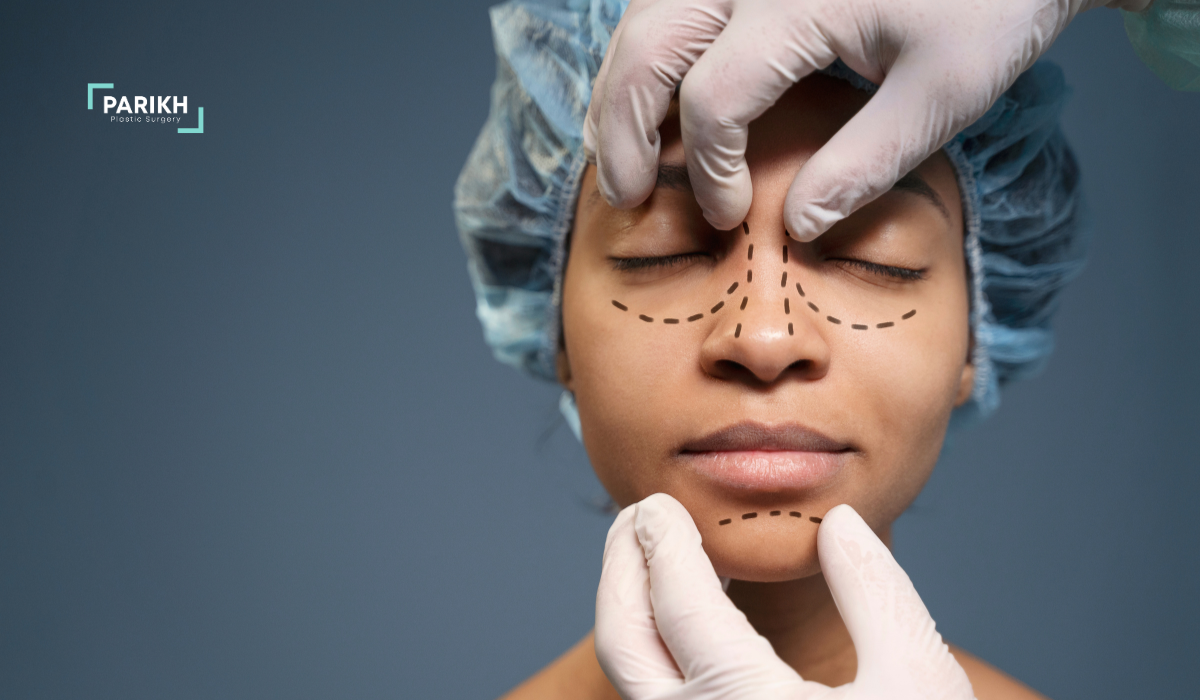
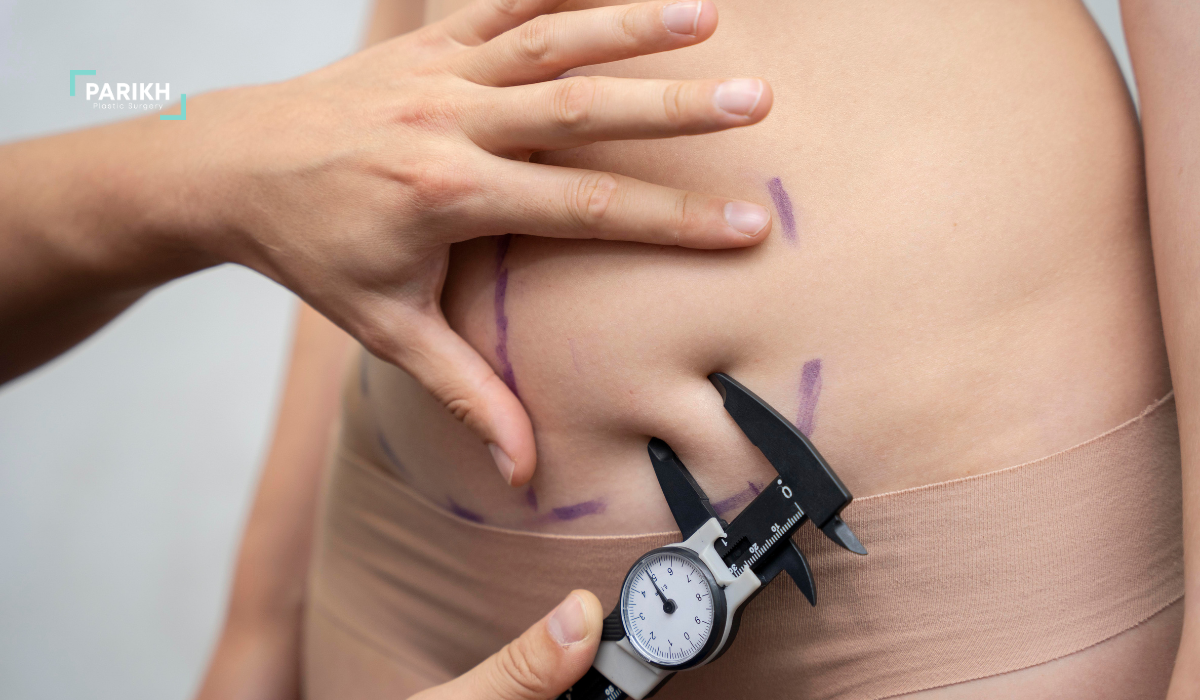
You’ll undergo a consultation with a board-certified plastic surgeon like Dr. Parikh to discuss your goals, options, and health history. Photographs and measurements will be taken to plan your procedure precisely.
During Surgery
Breast augmentation is usually performed under general anesthesia and takes about 1 to 2 hours. You’ll go home the same day with detailed recovery instructions.
After Surgery
You can expect some swelling, bruising, and discomfort for the first few days. A surgical bra or compression garment is typically worn to support healing.
Recovery Tips for a Smooth Healing Process
The recovery timeline varies depending on the type of implant and surgical approach, but most patients resume light activities within a week.
Tips for a Faster Recovery:
-
Follow Post-Op Instructions: These include how to care for incisions, when to resume showering, and signs of complications.
-
Sleep Elevated: Keeping your upper body elevated reduces swelling and improves circulation.
-
Avoid Heavy Lifting: Refrain from lifting anything over 10 pounds for at least 4–6 weeks.
-
Wear Your Support Bra: It helps reduce swelling and supports implant positioning.
-
Stay Hydrated and Eat Nutritiously: Proper nutrition speeds up healing.
Attend Follow-Up Visits: These allow your surgeon to monitor healing and provide further care if needed.
Longevity and Maintenance of Breast Implants
How Long Do Breast Implants Last?
While some believe breast implants must be replaced every 10 years, the truth is there’s no set expiration date. Many patients enjoy their implants for well over a decade without any issues. That said, breast implants are not considered lifetime devices. Over time, changes in your body, implant wear, or aesthetic preferences may lead to the need for revision or replacement.
Regular follow-up and imaging can help monitor implant integrity, and your surgeon will guide you if intervention becomes necessary. The key is to listen to your body—and trust your board-certified plastic surgeon if concerns arise.
Reasons for revision may include:
-
Desire to change size or shape
-
Implant rupture or leakage
-
Capsular contracture (scar tissue hardening)
-
Shifting or asymmetry
Routine follow-ups with your plastic surgeon and imaging (like MRI or ultrasound) help monitor implant integrity and breast health over time.
Is Breast Augmentation Right for You in 2025?
Breast augmentation remains one of the most popular cosmetic procedures worldwide—and for good reason. With personalized options, improved safety, and faster recovery, it’s a transformative solution for women who want to feel confident in their appearance.
You’re a good candidate if:
- You are in good general health
- You have realistic expectations
- You’re bothered by breast size, asymmetry, or volume loss
- You’re not currently pregnant or breastfeeding
Whether you’re enhancing your shape post-pregnancy, correcting asymmetry, or restoring confidence, Dr. Parikh and his team in Houston are here to guide you through every step.
Conclusion: Embrace the Future of Breast Augmentation
Today’s breast augmentation procedures reflect decades of innovation and patient-focused care. From silicone implants to natural fat transfer and precise surgical methods, patients now have more control, comfort, and confidence in their aesthetic journey.
Ready to take the next step toward your ideal silhouette?
👉 Schedule a consultation with Dr. Parikh in Houston to explore your options and discover what’s possible with modern breast augmentation.
FAQs!
Can I get a breast lift without implants?
Yes. A breast lift reshapes and lifts the breasts without changing size.
What if I want bigger and perkier breasts?
A combined breast augmentation and lift can deliver both volume and elevation.
Is scarring noticeable after a lift?
Scars are typically minimal and fade with time. Surgical technique and proper aftercare can reduce their visibility.
How do I know which procedure is right for me?
Schedule a consultation with Dr. Parikh in Houston for a personalized evaluation and expert recommendation.
Book a Consultation
It’s easy and free!